
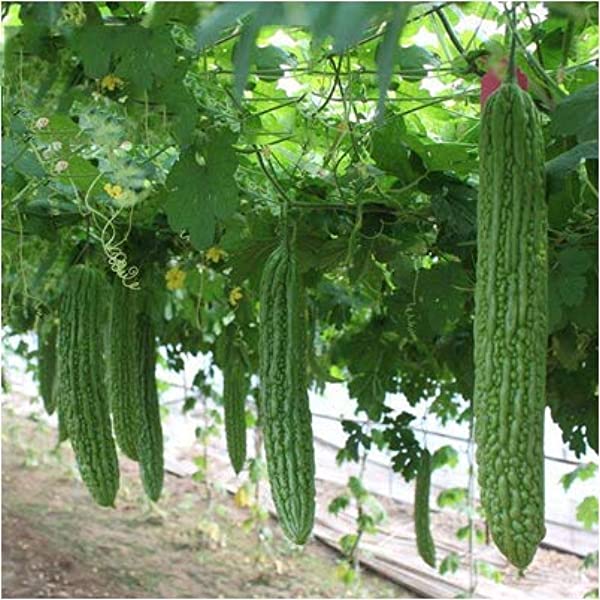
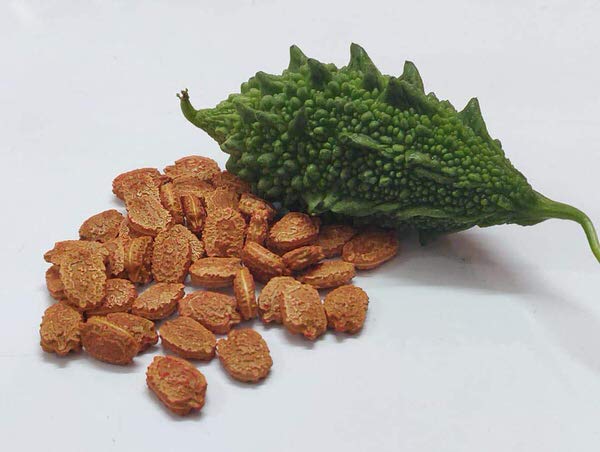


Growing your own bitter gourd is a good way to stay safe during a pandemic. It is pesticide-free and full of nutrients. You can easily grow it from karela seeds.
Botanical Name: Momordica charantia
Other Names: Bitter cucumber, Bitter squash, Balsam-pear, Goya, Nigauri, Peria and Indian bitter melons
Growing Season: January-April and June-August
Ideal Temperature: 15-30°C
Uses: Utilize karela in making tasty sabzis and snacks
Difficulty Level: Easy
How to Grow – Quick View
- Sandy loam soil
- 6-8 hours of daily sunlight
- Water regularly to keep the soil moist
- Fertilize every month with cow manure
How to Sow Seeds
- Soak the seeds in water overnight.
- Sow them directly in the ground and cover with soil. Make sure the seeds are not too close to each other.
- For growing bitter gourds on terrace, take a small pot, fill it with potting mix and sow one or two seeds 0.5 inch deep in it.
Seed Care
- Water the seeds regularly
- Choose a location that receives full sunlight
How to Care for Bitter Gourd
Sunlight: Grow bitter gourds in a location where they can receive six hours of sunlight. Terrace is the ideal location if you are growing karela in pots.
Watering: Water the plant every day to keep the soil moist.
Soil: Bitter gourd prefers sandy loam soil to thrive well. You can use black soil if sandy loam is unavailable.
Fertilizer: Fertilize every month with an organic fertilizer.
Pests and Diseases: Powdery mildew, aphids, and fruit flies can affect the growth of karelas. So look for early signs of infections and use the right pesticides.
Harvesting: Bitter gourds are ready to harvest after 55-60 days of sowing the seeds. You can easily pick them with the help of scissors and store in the refrigerator.
Prisha Gupta (verified owner) –
Nice seeds, almost 100% germination.